
17 August 2026 • 4 min read
The voice of customer refers to the collection and analysis of feedback given directly by customers about their experiences, expectations, and frustrations.
In the eyewear industry, this feedback sheds light on how consumers interact with brands, both online and in physical stores, and what prevents them from making confident purchasing decisions.
Key Methods to Capture the Voice of Eyewear Customers
- Post-purchase surveys: Short questionnaires after buying glasses help capture satisfaction levels and identify immediate issues.
- Online reviews and comments: Customers often reveal detailed pain points in product or service reviews on platforms like Trustpilot, Google, or directly on websites.
- Social media monitoring: Complaints and compliments on platforms like Instagram or X (formerly Twitter) provide raw, candid insights.
- Customer service logs: Tickets and conversations highlight recurring problems or confusion during the shopping experience.
- Session replays and heatmaps: These tools reveal moments of hesitation or abandonment in the digital journey.
Why Voice of Customer Data Matters for UX Design
For eyewear retailers and optical professionals, listening to customers isn't just a courtesy, it's a competitive advantage. With digital channels now central to the buying journey, identifying usability issues, emotional triggers, or trust barriers helps to design interfaces that feel effortless. As consumers increasingly expect precision and personalization, the voice of customer becomes the backbone of a frictionless eyewear experience.

Top Friction Points in the Eyewear Customer Journey
Analyzing the voice of customer helps uncover common frustration areas that prevent eyewear shoppers from completing their journey. Whether browsing online or visiting a store, consumers encounter multiple friction points that affect both conversion and satisfaction.
Where Friction Typically Occurs
- Frame selection overload: Too many options without helpful filters often leads to decision fatigue.
- Uncertainty about fit: Customers struggle to imagine how frames will look or feel without physical try-on or a virtual fitting option.
- Lack of pupillary distance tools: Shoppers are confused when asked to input measurements they don’t understand or know how to get.
- Mobile user experience: On small screens, interfaces often fail to deliver clear product visuals or intuitive navigation.
- Return process complexity: Vague or rigid return policies create anxiety, especially for prescription eyewear purchases.
What the Data Tells Us
According to a 2024 survey by Eyecare Business, 68% of online eyewear shoppers abandon their cart due to concerns about fit and style. Another study from 2025 revealed that 52% of returns in online optical sales stem from mismatched expectations around frame sizing or lens clarity. These statistics underline the urgent need to address pain points early in the journey.
Collecting and categorizing feedback through structured tools such as Net Promoter Score (NPS) surveys or customer effort scores (CES) also helps to pinpoint what’s slowing down or derai.
Translating Customer Feedback Into UX Improvements
Gathering voice of customer data is only the first step. The value lies in turning feedback into actionable insights that improve the eyewear experience. This means analyzing both individual comments and aggregated patterns to identify root causes of friction and implement design changes that matter.

From Frustration to Functionality
- Long page load times? Optimize images and hosting environments to reduce abandonment rates.
- Confusion about frame sizing? Integrate interactive sizing guides or augmented reality for scale accuracy.
- Frequent “doesn’t fit” returns? Use virtual try-on tecnology that includes realistic frame fitting.
- Missing PD measurements? Add a digital pupillary distance measurement tool that guides users step by step.
How to Prioritize What to Fix
Not every comment needs an overhaul. Focus should be on the pain points that occur most frequently or have the greatest impact on the journey. Techniques like impact/effort matrices or Pareto analysis help determine which UX issues to address first. For example, if 40% of support tickets reference difficulties using the try-on feature, that becomes a high-priority zone.
One optical retailer, after reviewing 3 months of feedback, realized that most mobile users dropped off at the prescription input stage. The fix? Redesigning that step with clearer instructions and auto-fill suggestions, which led to a 21% increase in mobile conversions in under 60 days.
Leveraging Technology to Address Friction Points
While gathering feedback is essential, using the right technologies can transform how eyewear retailers respond to customer pain points. From improved sizing to immersive previews, digital tools are becoming critical assets in reducing friction and boosting satisfaction.
Solutions That Simplify the Experience
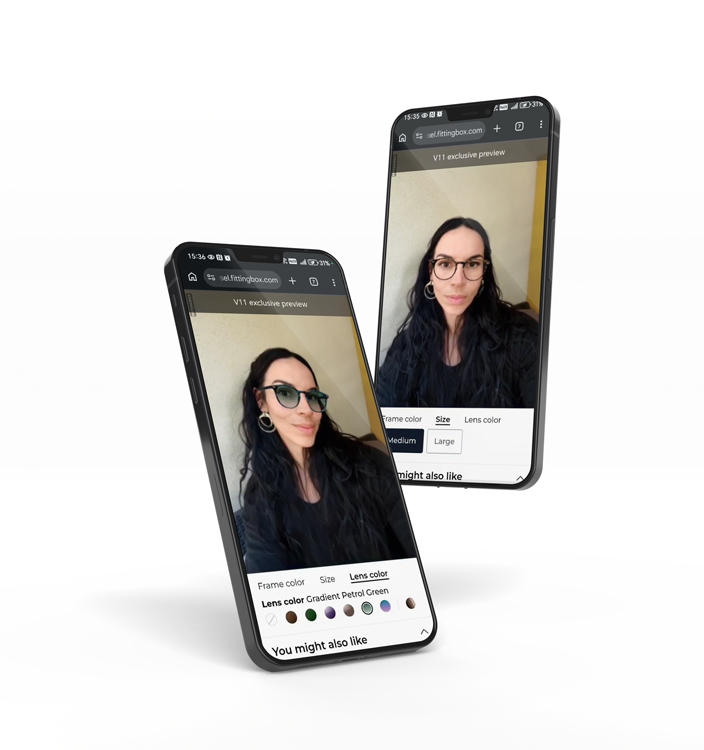
- Virtual Try-On lets customers try on glasses using their camera, helping them visualize fit and style before purchase.
- Pupillary Distance Measurement tools guide users through accurate PD measurement using their phone or computer.
- 3D Viewer technology allows interactive rotation and zoom of frames, making online browsing more tactile and detailed.
- Lens Simulator demonstrates lens effects (e.g., blue light, transitions) for more informed decisions.
Data-Backed Impact on the Eyewear Market
Recent data from 2024 shows that eyewear e-commerce sites that integrate Virtual Try-On see conversion rates improve by 30% on average. Similarly, companies that offer PD measurement tools report customer satisfaction scores rising by over 25% within the first quarter post-implementation.
These solutions not only remove guesswork but also rebuild trust, especially for first-time online eyewear buyers. As technology evolves, the brands that align these tools with actual feedback from the voice of customer will stay ahead in both usability and loyalty.
Conclusion
Creating a frictionless eyewear experience begins by listening to the very people who navigate it. The voice of customer brings clarity to what’s working, what’s not, and where your efforts should go next.By combining qualitative feedback with smart technologies, like Virtual Try-On or PD measurement tools, you can resolve key frustrations and guide your users toward confident, enjoyable purchases.
In today’s competitive optical market, the brands that prioritize user experience through continuous feedback loops are the ones that turn occasional buyers into loyal customers.


LET'S TALK
Request a demo, a quote or set up an appointment with one of our sales representatives.
CONTACT US
Useful Links
Corporate
Follow Us
© FITTINGBOX 2026 • Terms of use • Privacy & Legal