Start with the tool that solves your biggest sales friction. For many eyewear websites, this means improving product visualization, customer support, or abandoned cart recovery before adding more channels.
Eyewear e-commerce is no longer only about listing frames online. Shoppers now expect clear visuals, quick answers, mobile-first experiences, and tools that help them feel confident before they buy.
In 2026, the best eyewear websites combine practical e-commerce foundations with tools that reduce purchase hesitation. This article reviews the most useful digital tools for eyewear e-retailers, from CMS platforms and virtual try-on to AI support, customer service, social media, email, and SMS marketing.
A CMS, or Content Management System, helps your team create, update, and manage website content without relying on developers for every change. For eyewear e-commerce, this matters because product pages, frame collections, seasonal campaigns, and landing pages need frequent updates.
Popular options include Shopify and WooCommerce. Shopify is often preferred for speed and simplicity, while WooCommerce gives teams more flexibility through WordPress. The right choice depends on your catalog size, internal skills, integration needs, and growth plans.
Eyewear websites need more than a product grid. A good CMS should help your team:
Check out our guide: Actions for maximizing sales on a Shopify store
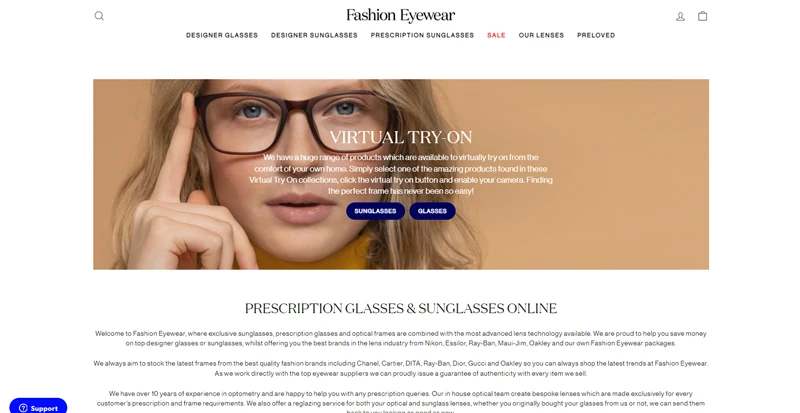
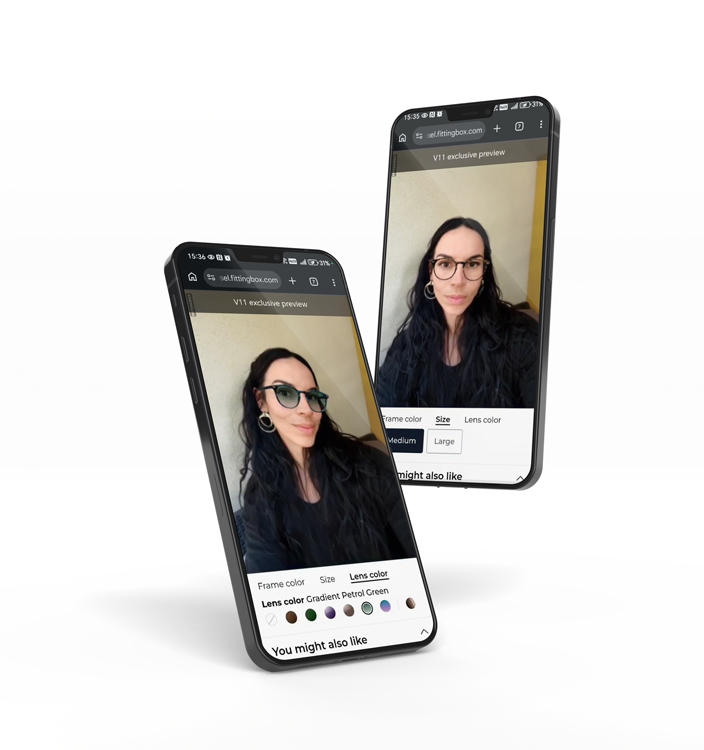
Virtual try-on technology lets shoppers see how glasses look on their face before buying. For eyewear, this is not a nice-to-have visual effect. It helps answer a core online shopping question: “Will this frame suit me?”
In 2026, strong virtual try-on experiences should feel fast, stable, and realistic on mobile. They should use accurate face tracking, high-quality digital frames, and simple calls to action. Realism helps shoppers move from browsing to decision-making.
Place try-on buttons where shoppers make decisions: product pages, collection pages, recommendation blocks, and retargeting campaigns. For large catalogs, prioritize best-sellers, new collections, and frames with high traffic but low conversion.

AI chatbots can help eyewear shoppers get quick answers about frame size, shipping, returns, lens options, and product availability. In 2026, their value depends less on novelty and more on how well they support real customer tasks.
A useful chatbot should guide shoppers without replacing expert support. It can answer simple questions, recommend product categories, collect customer intent, and transfer complex topics to a human agent when needed.
Avoid overpromising. A chatbot should not give optical advice beyond its validated scope. For prescription, lens compatibility, or medical questions, it should redirect users to a qualified expert or clear support process.
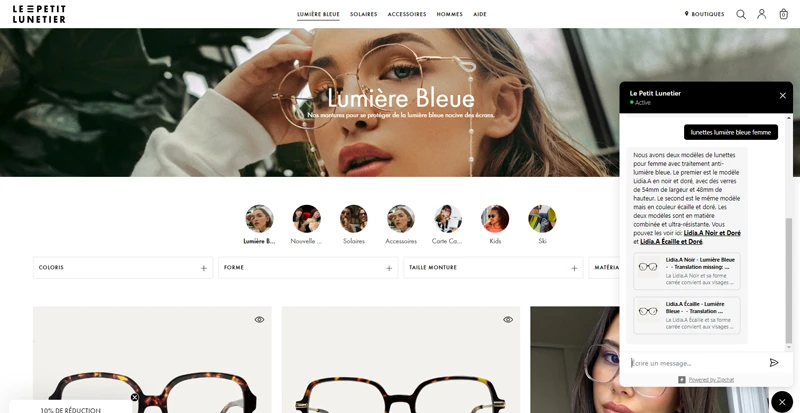
Customer service software helps teams manage conversations across email, chat, social media, and help centers. For eyewear websites, this is important because many purchase questions happen before checkout.
A support platform should make answers faster and more consistent. It can centralize tickets, store customer history, automate simple replies, and help agents handle sizing, delivery, return, and prescription-related questions more efficiently.
Social media remains a major discovery channel for eyewear because glasses are visual, personal, and style-driven. A strong social strategy should connect inspiration with product exploration.
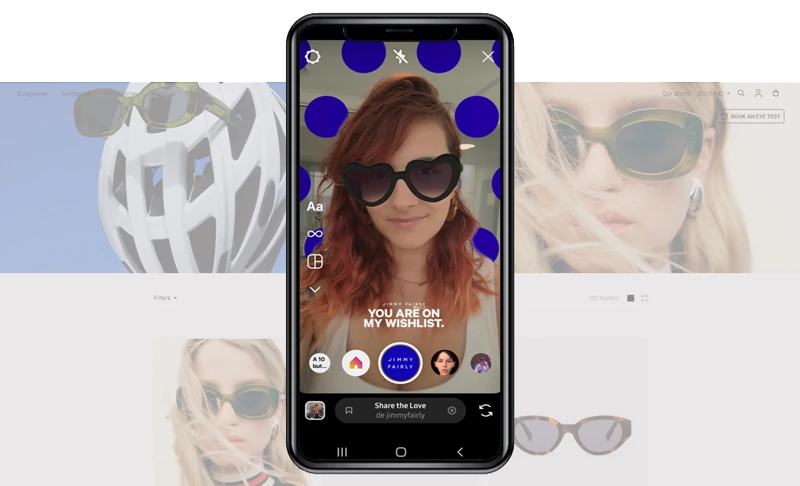
Eyewear brands can use short videos, creator content, product drops, customer photos, and AR filters for glasses. Interactive formats help shoppers project themselves into the product before visiting the website.
Email automation helps eyewear brands send relevant messages based on customer behavior. It can support welcome flows, abandoned cart recovery, product recommendations, replenishment reminders, and post-purchase education.
The goal is not to send more emails. The goal is to send better messages at the right moment. For eyewear, this can include reminders to complete a purchase, compare similar frames, book an eye exam, or explore new collections.
SMS marketing sends short, direct messages to customers who have agreed to receive them. It can be effective for limited offers, product launches, appointment reminders, and store traffic campaigns.
Because SMS is personal and immediate, it should be used carefully. Eyewear brands should send messages only when they create clear value, such as early access to a collection, a reminder to complete a purchase, or a local store offer.
Eyewear e-commerce tools work best when they reduce a specific barrier to purchase. Fittingbox helps brands and retailers improve product visualization with advanced virtual try-on for websites, 3D eyewear assets, and digital frame experiences. These solutions help shoppers judge fit and style online, while giving e-commerce teams tools that can support engagement, confidence, and conversion.

The best eyewear e-commerce tools for 2026 are not isolated add-ons. They should work together to make shopping clearer, faster, and more reassuring. Start with the biggest friction points in your journey, then choose tools that improve confidence and support measurable business goals.
Start with the tool that solves your biggest sales friction. For many eyewear websites, this means improving product visualization, customer support, or abandoned cart recovery before adding more channels.
Virtual try-on is especially useful when shoppers need reassurance about frame shape, size, and style. It is most effective when the experience is realistic, mobile-friendly, and easy to access from product pages.
No. AI chatbots are best used to answer repetitive questions, qualify requests, and guide shoppers. Human support remains important for complex, sensitive, or optical-related questions.
Track tool usage, conversion rate, assisted conversion, add-to-cart rate, return-related signals, support volume, and repeat purchases. Connect each tool to a clear business objective before launch.

Request a demo, a quote or set up an appointment with one of our sales representatives.
CONTACT US
© FITTINGBOX 2026 • Terms of use • Privacy & Legal